Texas Before MMA: A Patchwork of Traditions
Texas has always had a fighting spirit. Before mixed martial arts swept through the state, the landscape was dotted with boxing gyms, taekwondo schools, karate dojos, and wrestling mats laid out in school gyms. Each discipline carved out its own community, often fiercely loyal to its tradition. San Antonio, for example, produced generations of boxers and had a proud lineage of judo and karate instructors. But these gyms rarely mingled. If you wanted to learn jiu jitsu in Texas before the late 1990s, your options were limited - a handful of black belts, mostly in the larger cities, taught in back rooms or community centers. Most people didn’t know what “BJJ” meant, let alone where to find it.

Back then, the idea of a single gym housing multiple martial arts under one roof was exotic. Martial arts in Texas was about specialization. A parent would sign their child up for taekwondo after school, or a high school athlete might wrestle in the winter. Cross-training was rare, and even looked at with suspicion. Coaches worried that dabbling in other disciplines would water down technique or distract students from mastering their base art.
The UFC Effect: A New Era Dawns
Everything changed in 1993 when the Ultimate Fighting Championship debuted. Texans, like much of the country, watched in disbelief as a skinny Brazilian, Royce Gracie, used jiu jitsu to defeat larger and stronger opponents. Suddenly, martial artists began asking new questions. Was their art “real” in a fight? Could they adapt to this no-holds-barred environment?
By the late 1990s, small MMA gyms began to pop up in Texas. They were often rugged operations: mats on concrete, heavy bags strung from steel beams, and a single shower (if you were lucky). The coaches tended to be tough, self-taught, and experimental. You might find a wrestling coach who’d boxed in the army, now showing students how to blend double-leg takedowns with ground-and-pound. Many early MMA gyms in San Antonio, Houston, and Dallas started as afterthoughts within existing dojos or boxing gyms. Someone would hang a sign promising “grappling” or “Vale Tudo” and see who turned up.
The clientele was equally varied. There were ex-wrestlers, karate kids, and tough guys from local bars. I remember a gym in Austin that held “challenge nights,” where anyone could show up and test themselves. The atmosphere was raw, sweaty, and unpredictable. Yet, that cross-pollination was the crucible in which Texas MMA culture was forged.
Growth Spurts: From Back Rooms to Storefronts
By the mid-2000s, things started to shift. The early experimenters learned what worked and what didn’t. As the UFC gained mainstream traction, more people - including women and kids - wanted to train in MMA gyms. Insurance companies began to ask about concussion protocols. Parents wanted clean bathrooms and structured classes. Successful gyms evolved or faded away.
San Antonio saw this firsthand. Old-school boxing clubs like Zarzamora Street’s “Champion Fit” started offering jiu jitsu and kickboxing classes. Newer MMA gyms, such as Ohana Academy and Dominion MMA, opened purpose-built facilities with cages, padded floors, and professional instruction. Gym owners quickly realized that survival required a blend of authenticity and approachability. You couldn’t just throw tough guys into a ring anymore; you had to teach technique, foster community, and keep people safe.
One challenge was finding qualified coaches. In the early days, many Texas MMA instructors learned jiu jitsu via seminars or instructional VHS tapes mailed from California or Brazil. By 2010, however, legitimate black belts had moved to Texas and opened their own schools. This created a feedback loop: better instruction brought better fighters, which attracted more students.
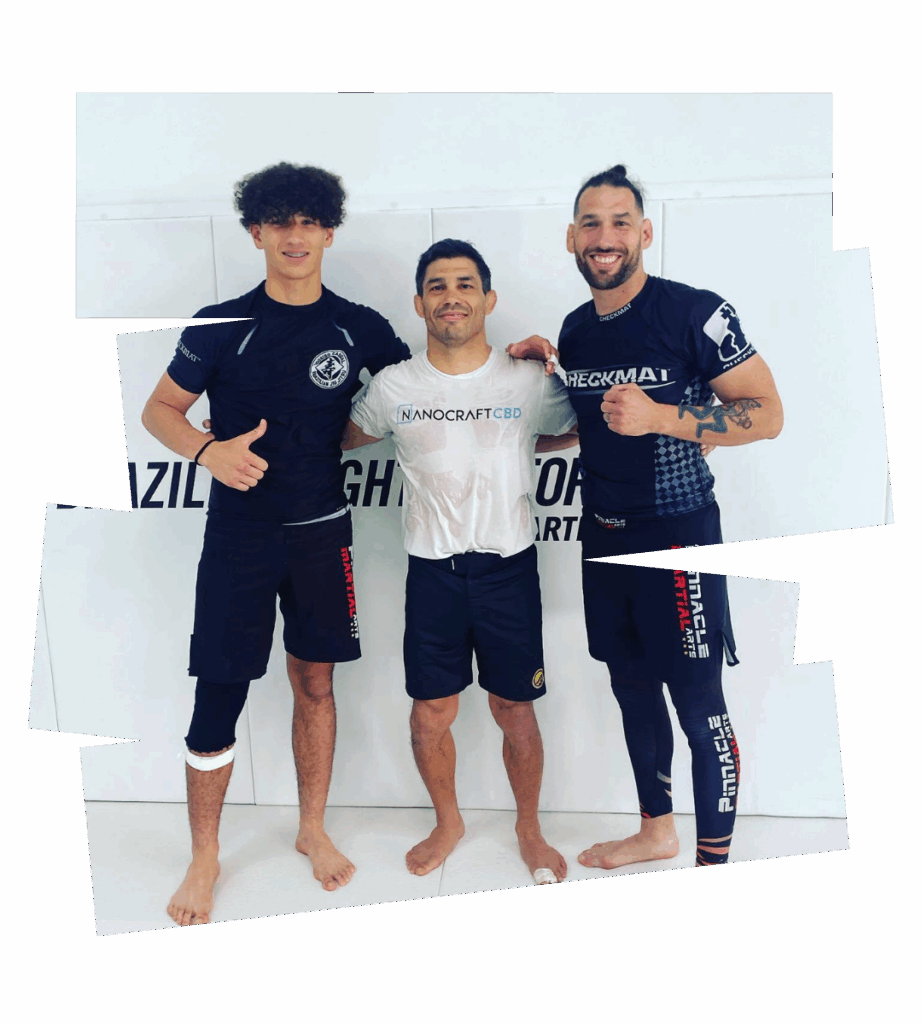
Blending Styles: The Modern MMA Curriculum
The modern MMA gym in Texas looks very different from its ancestors. If you walk into an MMA gym in San Antonio today, you’ll find a full schedule: morning BJJ fundamentals, lunchtime Muay Thai, afternoon wrestling for youth, evening MMA sparring sessions. Classes are compartmentalized but interconnected. The best gyms have coaches who communicate, ensuring students learn how to transition between takedowns, submissions, and striking.
This evolution didn’t happen overnight. Early on, some gyms clung too tightly to their base art. A few karate schools offered “MMA” but never incorporated live grappling. Others brought in jiu jitsu but neglected striking defense. The most successful MMA gyms - both in San Antonio and across Texas - embraced the hybrid approach fully. They brought in guest instructors, cross-trained with other schools, and sent students to compete in jiu jitsu tournaments as well as amateur MMA events.
A personal story comes https://martialartsmzxl6459.trexgame.net/best-age-to-start-learning-jiu-jitsu-in-texas to mind: I once trained at a gym in San Antonio where the head coach was a BJJ black belt who also competed in Muay Thai bouts on weekends. His philosophy was simple: “If you can’t defend yourself standing up or on the ground, you’re not ready.” He encouraged his fighters to spar under every ruleset they could find - boxing gloves one night, no-gi grappling the next.
Community Roots: The Social Side of MMA Gyms
MMA gyms in Texas are more than training centers; they’re social hubs. Walk into a Saturday open mat at an established gym in San Antonio and you’ll see families watching kids roll, military veterans sharing stories between rounds, and long-time members organizing barbecues after class.
This sense of community helps explain why many MMA gyms thrive even when competition is fierce. It’s not just about producing champions (though Texas has done its share - think of fighters like Roger Huerta or Angela Hill who cut their teeth here). It’s about providing an outlet for stress relief, fitness, self-defense, and friendship.
I’ve seen unlikely friendships form on these mats: a retired police officer trading technique with a college student from Brazil; a single mom learning arm bars alongside her teenage son. Martial arts culture in Texas values grit but also loyalty and respect.
Safety and Regulation: Raising the Bar
As MMA grew more popular in Texas, so did scrutiny around safety and legitimacy. Around 2005-2010, stories circulated of fly-by-night gyms run by unqualified instructors or reckless sparring leading to injuries. This forced reputable gym owners to raise their standards.
State athletic commissions began regulating amateur fights more strictly. Gyms started requiring headgear for certain drills and tracking concussions more seriously. Most importantly, insurance companies began demanding that instructors be certified in CPR and first aid at minimum.
Today’s top MMA gyms in San Antonio take safety seriously without killing the spirit of hard training. Beginners are matched carefully by size and experience; advanced students get thorough instruction on how to train at high intensity without causing unnecessary harm.
Here are some practical standards that set apart legitimate MMA gyms from pretenders:
Clean mats are sanitized daily. Coaches hold recognized belts or competitive records. Clear progression is offered for both hobbyists and competitors. Gear such as gloves and shin guards is mandatory for sparring. Injuries are tracked openly so students aren’t pressured to “tough it out.”The Rise of Jiu Jitsu: A Texan Love Affair
While MMA gets most of the headlines, Brazilian jiu jitsu (BJJ) has exploded across Texas over the past fifteen years - especially in cities like San Antonio where military populations crave practical self-defense skills.
Jiu jitsu fits naturally within MMA gyms but also stands alone as its own subculture. Visit a jiu jitsu school in San Antonio today and you’ll find packed classes ranging from kids’ anti-bullying programs to advanced competition teams preparing for IBJJF events or local tournaments like NAGA.
One reason BJJ took off is accessibility: you don’t need prior athleticism or striking skills to start rolling on day one. Many Texans who never dreamed of fighting step onto the mats simply looking for fitness or confidence - only to find themselves addicted after their first tap-out victory.
The best MMA gyms now offer robust BJJ programs alongside striking arts like Muay Thai or boxing. That integration gives students options: focus on jiu jitsu alone or blend it seamlessly into an MMA path.
Competition Culture: From Local Shows to National Fame
Texas has become a hotbed for both amateur and professional MMA competition. Local promotions like Fury FC or Legacy Fighting Alliance regularly host cards featuring homegrown talent from San Antonio, Houston, Austin, and Dallas.
I remember attending an amateur event outside San Antonio where half the card featured fighters representing rival local gyms. The crowd was electric - friends wore branded shirts supporting their teams, coaches shouted advice from corners, and afterwards everyone shook hands regardless of outcome.
Competing isn’t required at most quality gyms - plenty of members just want fitness or self-defense - but those who chase glory find plenty of opportunity here. Texas athletes now regularly make it onto televised UFC cards after cutting their teeth on regional circuits.
Women’s Participation: Breaking Old Barriers
One of the most striking differences between early Texas martial arts culture and today’s scene is female participation. Twenty years ago it was rare to see women training anywhere outside traditional karate or cardio kickboxing classes.
Now it’s common to see women rolling in advanced jiu jitsu classes or sparring hard rounds during MMA practice sessions at San Antonio gyms like Ohana Academy or Brazilian Top Team San Antonio. Women’s divisions are standard at local tournaments; girls’ classes fill up quickly.
This shift reflects broader cultural changes but also the welcoming environment many modern MMA gyms cultivate. Female coaches serve as role models - I’ve watched new students find inspiration seeing women lead entire BJJ classes or corner fighters at local shows.
Adapting for the Future: Technology Meets Tradition
The COVID-19 pandemic tested Texas MMA gyms like nothing before it. With lockdowns came virtual classes via Zoom or YouTube streams; many gyms lost members but gained new ones drawn by online accessibility.
Now that restrictions have eased, most gyms combine old-school camaraderie with new tech tools: scheduling apps for booking classes, video analysis for reviewing sparring footage, even private groups where students swap nutrition tips or organize rideshares to tournaments.
Yet at heart, success still depends on fundamentals: solid coaching, clean facilities, mutual respect among members.

Choosing an MMA Gym in San Antonio: What Matters Most
With so many options now available for martial arts training in San Antonio Texas - from specialized jiu jitsu academies to all-in-one MMA gyms - newcomers often feel overwhelmed by choice.
Here’s a quick checklist for evaluating whether a gym fits your goals:
Watch a class before joining - does it feel safe but challenging? Ask about instructor backgrounds - do they have real competitive experience? Check cleanliness (especially mats and bathrooms). Look for a mix of beginner-friendly classes alongside advanced sessions. Notice how current members interact - is there genuine camaraderie?Remember that fit is personal: some thrive under tough-love discipline while others want encouragement above all else.
Looking Ahead: Where Do Texas MMA Gyms Go Next?
Texas continues to shape the national MMA scene by producing versatile fighters grounded in multiple disciplines but also by building welcoming communities off the mats.
Kids who once had only football or baseball leagues now dream of medals at ADCC trials or UFC appearances on ESPN+. Retirees drop fifty pounds after a year of steady BJJ practice; parents join their kids on the mat instead of just watching from sidelines.
The evolution isn’t finished - new styles emerge, coaching standards rise further, technology weaves its way deeper into day-to-day operations - but at its core the Texas MMA gym remains a place where hard work meets hospitality.
For anyone considering martial arts San Antonio Texas style - whether it’s pure jiu jitsu San Antonio Texas flavor or full-on MMA gyms San Antonio Texas grit - there’s never been a better time to step onto those mats and start your own chapter in this ongoing story.
Pinnacle Martial Arts Brazilian Jiu Jitsu & MMA San Antonio 4926 Golden Quail # 204 San Antonio, TX 78240 (210) 348-6004